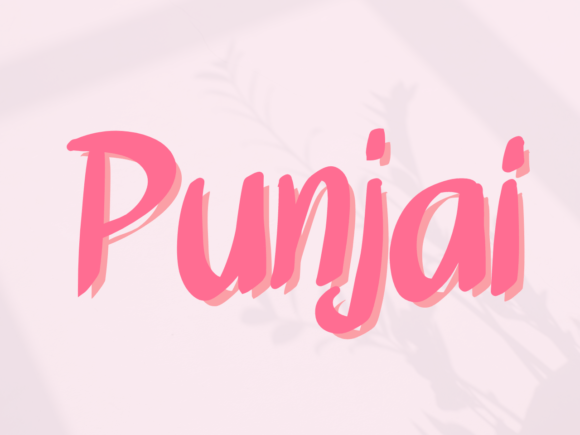
Punjai: The Handwritten Font for Joyful Design
Imagine a font that doesn't just display words, but radiates personality. Punjai, a cute and quirky handwritten font, does exactly that, infusing an incredibly joyful touch into any creative project. For designers, marketers, and creators seeking to inject warmth and authenticity into their visual communication, this typeface offers a powerful solution. It moves beyond sterile digital text to create an immediate, human connection with the audience.
Why Handwritten Typography Matters in Modern Branding
In an era of clean sans-serifs and polished serifs, a well-chosen handwritten font like Punjai serves as a strategic counterpoint. It disrupts the visual monotony, adding texture, emotion, and a sense of craftsmanship. This is crucial for building a memorable brand identity. When applied thoughtfully, it signals approachability, creativity, and a personal touch—qualities that resonate deeply in digital marketing and social media graphics.
However, integrating such a distinctive font requires a nuanced understanding of design principles. Its value isn't in universal application, but in targeted, impactful use.
Strategic Applications for Maximum Impact
Punjai shines when used to highlight key messages, create focal points, or establish a specific tone. Consider its role across various creative projects:
- Logo Design & Brand Elements: Perfect for creative studios, boutique brands, or lifestyle products where a friendly, artisanal feel is paramount. It can be the core of a logo or used for secondary brand marks.
- Social Media & Digital Marketing: Grabs attention in crowded feeds. Use it for quotes, call-to-action buttons, or highlight text to increase engagement and convey excitement.
- Packaging Design: Adds a personal, handwritten appeal to product labels, tags, or thank-you notes inside boxes, enhancing the unboxing experience.
- Editorial & Web Design: Effective for pull quotes, subheadings in blog posts, or special feature sections in a layout, guiding the reader's eye with visual variety.
Integrating Punjai into Your Design Workflow
Adopting a new font is more than a stylistic choice; it's a design decision that affects hierarchy, readability, and consistency. To use Punjai effectively, start by defining its specific role within your project's visual hierarchy. Will it be a headline font for impact, or an accent font for detail?
Practical tips for seamless integration:
- Pairing is Key: Combine Punjai with a clean, neutral typeface (a simple sans-serif or serif) for body text. This contrast ensures readability while allowing the handwritten font's character to pop without overwhelming the design.
- Mind the Scale: Test the font at various sizes. While it may look charming large, ensure smaller text remains legible, especially for UI design elements or critical information.
- Color & Composition: Let the font work with your color palette. A vibrant Punjai on a neutral background creates a joyful focal point. Use ample white space to prevent the design from feeling cluttered.
- Audience Alignment: Ensure the playful, quirky aesthetic aligns with your target audience's expectations and the project's core message. It's ideal for brands targeting a younger demographic or those in creative, educational, or lifestyle sectors.
Ultimately, the most successful designs are those where every element, including typography, serves a clear purpose. Thoughtful selection and application of creative assets like Punjai are what transform a good design into a great one. By balancing its joyful expressiveness with disciplined design principles, you can create visuals that are not only beautiful but also effectively communicate your brand's unique story, fostering deeper engagement and leaving a lasting, positive impression.