Abcd Cursive Word Wall: Elevating Design with Typographic Style
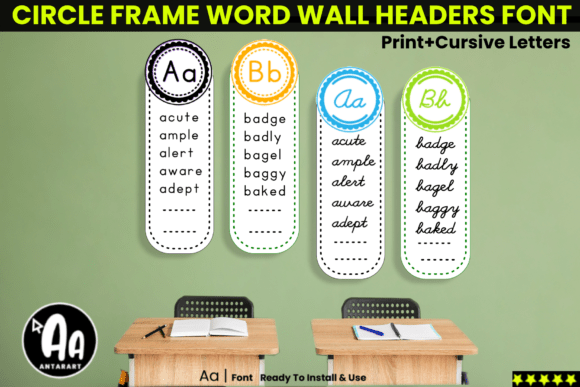
In the realm of visual communication, the choice of typography is a foundational decision that shapes perception and engagement. The Abcd Cursive Word Wall resource, a comprehensive set featuring both print and cursive A-Z letters within a circle frame, offers designers and educators a versatile tool for creating clear, engaging, and stylistically rich visual content. This asset bridges the gap between functional literacy tools and sophisticated graphic design, demonstrating how letterforms themselves become powerful elements of composition and brand identity.
The Design Principles Behind Effective Word Walls
From a graphic design perspective, a well-constructed word wall is more than a collection of letters; it is an exercise in visual hierarchy, typography, and spatial composition. The dual-font nature of this set—combining the straightforward legibility of print with the fluid elegance of cursive—provides a dynamic range for creating contrast and directing viewer focus. This mirrors professional design workflows where selecting the right typeface family is crucial for establishing tone, whether for a corporate brand’s formal communications or a lifestyle brand’s expressive marketing materials.
Key Applications in Modern Creative Projects
The utility of such a typographic asset extends far beyond the classroom. Consider its potential in the following contexts:
- Brand Identity & Logo Systems: Cursive elements can add a personal, artisanal, or luxurious touch to a logo suite, while clean print fonts ensure clarity in secondary applications. This resource allows for quick prototyping of monogram or wordmark concepts.
- Marketing & Social Media Graphics: Creating eye-catching headers, quotes, or promotional text for digital campaigns becomes efficient. The circle frame design offers a built-in visual container, perfect for Instagram stories, Pinterest pins, or Facebook ads requiring a cohesive, decorated look.
- Editorial & Packaging Design: For publications, recipe books, or product packaging, the cursive font can evoke a handcrafted, premium feel. It’s ideal for section titles, pull quotes, or product names that need to stand out with a touch of elegance.
- UI/UX and Web Design: In user interface design, decorative cursive fonts are used sparingly for specific elements like hero text, notifications, or onboarding screens to create a moment of delight and brand personality, provided they maintain readability.
- Presentation & Merchandise Design: From slide deck headers to custom merchandise like tote bags or mugs, styled typography adds instant visual appeal and professionalism, turning standard items into branded assets.
Strategic Selection and Implementation
When integrating assets like the Cursive and Print Alphabet Word Wall Headers into a project, thoughtful application is key to maintaining design integrity. First, consider consistency. Ensure the chosen style—whether using the bright color circle or the black-and-white version—aligns with your project’s overall color palette and aesthetic. The ability to customize colors is a significant advantage, allowing for perfect harmony with existing brand guidelines.
Second, prioritize readability and scalability. While cursive fonts add flair, they must remain legible at the intended size, especially in digital environments. Test the letters in context to ensure they support, rather than hinder, communication. Finally, use these elements to establish a clear visual hierarchy. Employ the decorative cursive headers for primary focus points and the cleaner print versions for supporting information, guiding the viewer’s eye through your content in a logical and appealing way.
Ultimately, investing in high-quality, flexible creative assets like this typographic set streamlines the design process and elevates the final output. Whether you’re crafting a brand’s visual identity, designing engaging educational materials, or creating compelling marketing content, the deliberate use of typography is a powerful tool. It communicates tone, evokes emotion, and builds recognition, proving that even the letters of the alphabet, when thoughtfully designed, can become the cornerstone of effective and beautiful visual storytelling.